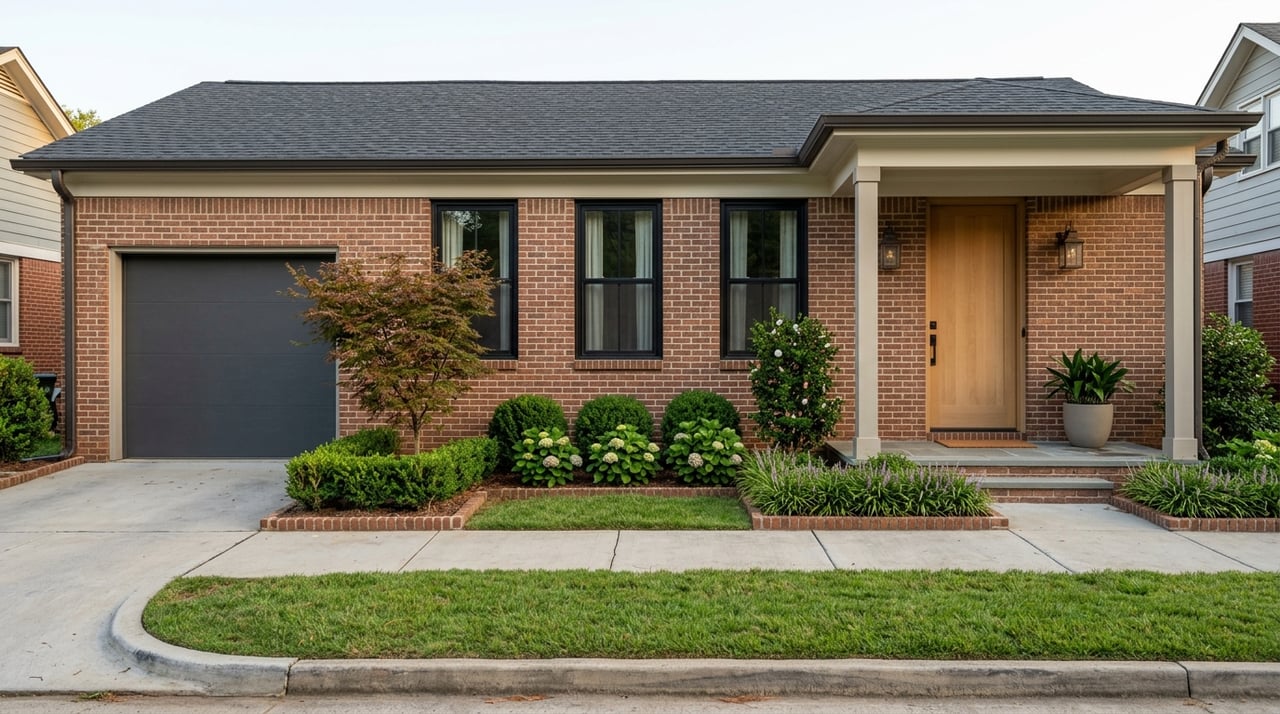
Wondering if you can downsize without giving up convenience, comfort, or the lifestyle you love? If you are considering Dunwoody or Sandy Springs, the good news is that both cities offer strong options for move-down buyers who want less upkeep and more ease. The real decision usually comes down to how you want to live day to day, from housing style to errands to transit and medical access. Let’s dive in.
Why this move is different
Downsizing is rarely just about buying a smaller home. In many cases, you are trading square footage for simplicity, lower maintenance, easier mobility, or a more convenient location.
In Dunwoody and Sandy Springs, the choice is less about a dramatic price difference and more about lifestyle fit. Dunwoody’s median owner-occupied home value is $602,900, while Sandy Springs comes in at $619,800. With pricing relatively close, your best move is to compare housing form, neighborhood layout, and daily convenience.
Dunwoody vs. Sandy Springs at a glance
Both cities are mature north-metro suburbs with similar commute times. Dunwoody’s 2024 population estimate was 51,795, while Sandy Springs was 105,505, making Sandy Springs the larger and more multi-node market.
That size difference matters when you start thinking about where you want to live. Dunwoody often feels more concentrated around a few familiar hubs, while Sandy Springs offers more choices spread across a broader area.
Low-maintenance housing options
For many downsizers, the biggest question is simple: where can you find a home that is easier to manage? That usually means comparing detached homes, townhomes, condos, and the responsibilities that come with each.
Dunwoody housing mix
Dunwoody offers a mixed housing stock. City housing data shows about 44.9% single-family detached housing, 4.6% townhome or rowhome, and 55.0% multifamily overall.
That does not mean every multifamily option looks the same. The city notes that most multifamily housing is concentrated in larger apartment buildings rather than townhouse, duplex, or triplex formats, so attached ownership choices may feel more limited in certain areas.
Dunwoody also has an established housing base. More than half of the city’s housing was built between 1960 and 1989, and only 5% was built after the 2008 housing crash.
For you, that can mean mature neighborhoods, larger lots in some sections, and homes with character. It can also mean paying closer attention to updates, maintenance history, and renovation needs if you want a simpler next chapter.
Sandy Springs housing mix
Sandy Springs stands out if your priority is broad low-maintenance inventory. The city says it offers high-rise living, townhomes, and a wide variety of apartment communities, with 96 apartment complexes and two more under construction.
Its housing needs assessment also shows that from 2011 to 2020, the city added 333 single-family homes and 1,127 townhomes and condos. That is a strong signal that attached housing has been a major part of recent supply.
The same report found that 81% of single-family homes sold above $400,000, while 93% of condos sold below $400,000. In practical terms, homes under that threshold were much more likely to be townhomes or condos.
Which city gives you more flexibility?
If you want the widest range of lock-and-leave options, Sandy Springs usually gives you more to choose from. If you still want the possibility of a detached home in an established setting, Dunwoody may offer a better fit.
For many buyers, the short list comes down to three practical choices:
- A ranch or stair-light detached home
- An end-unit townhome
- A condo with secure parking and elevator access
Day-to-day convenience matters more than square footage
A successful downsize often depends on what life feels like after move-in. If you want fewer car trips, easier errands, and access to services nearby, location inside the city can matter just as much as the home itself.
Dunwoody errands and local hubs
Dunwoody Village is a major part of the city’s appeal for downsizers. The city describes it as the commercial heart of the community, with grocery stores, healthcare providers, offices, restaurants, day care centers, a public library, an arts center, and townhouse development.
That makes it a strong local errands node if you want many everyday needs clustered in one area. At the same time, Dunwoody’s own planning documents note that the suburban design still discourages walking and biking, so it is smart to avoid assuming every errand can be done on foot.
Sandy Springs errands and activity centers
Sandy Springs offers convenience through multiple centers rather than one main village core. City Springs is a mixed-use, walkable city center with dining, amenity retail, entertainment, a city green, and a performing arts facility.
The city also benefits from the broader Perimeter retail area. Both Dunwoody and Sandy Springs are tied to that shopping district, but Sandy Springs tends to feel more spread out across several destination points rather than centered on one compact hub.
Medical access and peace of mind
For many move-down buyers, proximity to healthcare becomes more important over time. If quick access to hospitals and specialists is high on your list, this is one of the clearest differences between the two cities.
Sandy Springs as a medical hub
Sandy Springs is the stronger medical hub by a wide margin. The city says about 40% of available hospital beds in the Atlanta metro area are located within Sandy Springs.
The city lists Northside Hospital, Emory Saint Joseph’s Hospital, and Children’s Healthcare of Atlanta at Scottish Rite within city limits. For buyers who want easier access to hospital systems and specialist care, that can be a major quality-of-life advantage.
Dunwoody for local services
Dunwoody does not have the same concentration of hospitals inside city limits. Its strength is more about access to everyday services through community nodes like Dunwoody Village and its proximity to the broader Perimeter area.
If your priority is local errands first and hospital access second, Dunwoody may still check the right boxes. The key is being honest about what convenience means to you now and in the years ahead.
Transit and commuting after downsizing
Many downsizers want to reduce driving, even if they are not giving it up entirely. In that area, Sandy Springs has the broader transit network, but Dunwoody still has meaningful rail access.
Sandy Springs transit advantages
Sandy Springs has access to four MARTA rail stations, 12 MARTA bus routes, and two GRTA Xpress commuter routes, along with direct access to I-285 and Georgia 400. That makes it the more transit-dense option overall.
If you want more flexibility for commuting, airport access, or car-light living near transit, that network can make a real difference.
Dunwoody transit access
Dunwoody still offers a strong transit node. MARTA shows Dunwoody Station with 1,091 parking spaces, and weekday rail headways are about 10 minutes during peak periods.
Dunwoody also connects to regional commuting through Xpress route 401, with stops including Dunwoody MARTA Station and the Perimeter Center West area near Mt. Vernon Highway. That setup can work well if you want rail access without needing the same station density as Sandy Springs.
Dunwoody’s comprehensive plan also notes recurring community concerns around traffic congestion and connectivity. If you expect to drive often, it is worth looking closely at your likely routes before you choose a neighborhood.
Costs to compare before you choose
The purchase price is only one part of the downsizing equation. Your monthly carrying costs and maintenance responsibilities can vary quite a bit depending on the property type and address.
Before you commit, compare:
- HOA dues
- Exterior maintenance responsibility
- Stairs versus elevator access
- Guest parking
- Storage space
- Pet rules
- Resale liquidity for that property type
County lines matter too. Dunwoody is in DeKalb County, while Sandy Springs is in Fulton County, so tax bills, exemption eligibility, and service differences should be reviewed for the exact address you are considering.
How to choose without compromise
The best downsizing move is not always the smallest home or the newest building. It is the one that supports how you want to live, travel, host, and move through your day.
Choose Dunwoody if you are drawn to established neighborhoods, a more concentrated errands hub, and the possibility of a detached home with a little more traditional suburban feel. Choose Sandy Springs if you want more attached housing choices, a stronger hospital cluster, and broader transit access.
If you are deciding between the two, the smartest approach is to compare specific homes through the lens of your real lifestyle. A beautiful condo is not the right fit if storage, parking, or stairs create friction. A detached home is not a true downsize if the upkeep still feels like too much.
When you are ready to narrow your options, shannon cartrett can help you compare Dunwoody and Sandy Springs with a clear, practical strategy built around your next chapter.
FAQs
Which city has more low-maintenance homes for downsizers?
- Sandy Springs generally offers more low-maintenance housing because it has a broader supply of townhomes, condos, high-rise living, and apartment communities.
Which city has better hospital access for downsizers in north metro Atlanta?
- Sandy Springs has the stronger hospital cluster, with Northside Hospital, Emory Saint Joseph’s Hospital, and Children’s Healthcare of Atlanta at Scottish Rite located within the city.
Which city is better for a detached downsizing home, Dunwoody or Sandy Springs?
- Dunwoody may be a better fit if you want an established detached home setting, since it has a stronger detached-home presence and older neighborhood character.
Which city is more transit-friendly for buyers downsizing in Atlanta?
- Sandy Springs is more transit-oriented overall, with four MARTA rail stations, 12 bus routes, and two GRTA Xpress commuter routes, though Dunwoody still has direct MARTA rail access.
What should downsizers compare besides price in Dunwoody and Sandy Springs?
- You should compare HOA dues, maintenance responsibility, stairs, elevator access, guest parking, storage, pet rules, resale potential, and county-level tax differences for each address.