Buying a beach home on 30A West sounds dreamy, but the smartest buyers know the real work starts before they fall in love with the view. If you are thinking about Dune Allen, Gulf Place, Santa Rosa Beach, Blue Mountain Beach, or Grayton Beach, a few early decisions can shape everything from your budget to your day-to-day experience. This guide will help you think through the biggest factors before you buy so you can move forward with more clarity and confidence. Let’s dive in.
Start With the Home’s Purpose
Before you compare finishes, beach access, or price per square foot, decide how you plan to use the property. On 30A West, that choice affects taxes, insurance, rental rules, and even the kind of home that makes sense for your lifestyle.
If you plan to live there full time, homestead status should be part of your planning. Walton County says homestead applies when the property is your permanent residence, and a property that is not used as a permanent residence does not qualify. The initial filing deadline is March 1.
If the home will be a second home, your carrying costs may look different than they would for a homesteaded property. That matters when you estimate long-term affordability, especially in a coastal market where insurance and maintenance already deserve close attention.
If you want short-term rental income, define that goal early. Walton County considers a short-term vacation rental to be a unit rented more than three times in a calendar year for periods of less than 30 days or one calendar month, or a property advertised or held out as regularly rented to guests.
That use also comes with local requirements. Walton County requires annual vacation rental registration, though some owner-occupied, homesteaded single-family homes are exempt. Florida also has lodging tax rules tied to short-term stays, and the state maintains a vacation rental dwelling license process.
Build a Real Coastal Budget
On 30A West, the purchase price is only one part of the financial picture. A beach home budget should include insurance, tax implications, and ongoing ownership costs from the start.
Flood insurance is a major example. FEMA states that most homeowners insurance policies do not cover flood damage, and flood insurance is typically separate. FEMA also notes that homes in high-risk flood areas with mortgages from government-backed lenders are required to carry flood insurance, and NFIP policies often have a 30-day waiting period before they take effect.
Homeowners insurance in Florida can also include a separate hurricane deductible. Florida’s Chief Financial Officer explains that this deductible may apply differently from your standard deductible, so it is worth asking for the exact deductible structure before you make an offer.
Wind-mitigation features can also affect your costs. Florida’s Office of Insurance Regulation says insurers must consider mitigation discounts and deductible reductions tied to windstorm-loss reduction features. If a seller has a wind-mitigation inspection or similar documentation, that is worth reviewing early.
Flood premiums are not one-size-fits-all. Florida consumer guidance says pricing can depend on elevation, proximity to a flood source, construction method, and replacement cost. FEMA also notes that flood risk is influenced by factors like distance from water, storm surge exposure, erosion, rainfall, and building characteristics.
Check Flood and Storm Risk Early
In a coastal market, risk review should happen before you get emotionally attached. A home can look perfect online and still come with flood, storm, or permitting issues that change the equation.
Start with mapping tools. FEMA says its Flood Map Service Center is the official source for flood-hazard maps, and Walton County also offers an interactive map with parcels, wetlands, and flood zones. Walton County notes that FEMA, not the county, designates flood-zone categories.
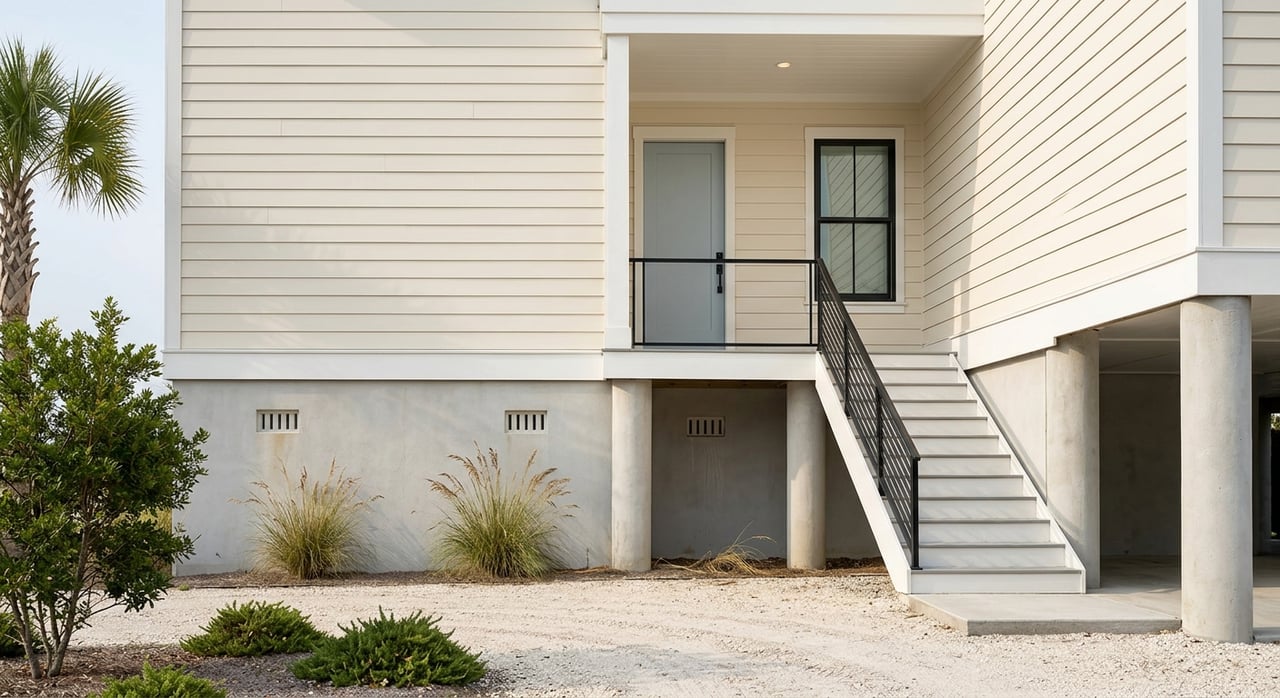
If a property sits in a special flood hazard area, you will want to understand what that means for future work. Walton County requires development review and permits before work begins in certain cases, and county building rules set elevation standards for AE, VE, Coastal A, and floodway locations.
Storm recovery can also involve permits. Walton County says repairs involving structural, electrical, plumbing, or roofing work may require permits after storm damage. That makes permit history an important piece of due diligence when you evaluate an older beach property or a home that has been through major weather events.
Some properties in western 30A need even closer review because of coastal barrier designations. Walton County says Grayton Beach includes a designated coastal barrier area, and these zones were created under the Coastal Barrier Resources Act. For certain structures built or substantially improved in those areas, federal assistance, including flood insurance, may not be available.
Understand Hurricane Season Logistics
Owning near the coast means thinking beyond the home itself. You should also know how the area functions during storm season and how that fits your comfort level.
Walton County’s all-hazards guide says hurricane season runs from June 1 through November 30, with the peak from August to October. The county also uses five evacuation zones, which is helpful to understand before closing, especially if the property will be used seasonally or as a rental.
Emergency communication matters too. Walton County’s AlertWalton system is designed to issue emergency notifications when there are imminent threats to life, health, and safety. If you are buying a second home, that kind of local tool is important to know from day one.
Choose the Right 30A West Feel
Not every 30A West community lives the same, even when the beaches are all beautiful. The right fit often comes down to atmosphere, access, and how you want the property to function in peak season and quieter months.
Dune Allen
Visit South Walton presents Dune Allen as a nature-focused hideaway with trails, sugar-white beaches, and rare coastal dune lakes. If you want a more tucked-away feel with strong natural surroundings, this area may deserve a closer look.
Gulf Place
Gulf Place is described as casual, colorful, and creative, with a town center, live music, and a major regional beach access nearby. Because it has a visible commercial core and a well-used beach access, it will generally feel busier when visitor traffic peaks.
Santa Rosa Beach
Santa Rosa Beach is the oldest and largest neighborhood in the area. It stretches from Choctawhatchee Bay to the Gulf and offers a wide mix of trails, shops, art, dining, and casual nightlife, which can appeal to buyers who want variety and convenience.
Blue Mountain Beach
Blue Mountain Beach is described as laid-back and dining-oriented. Visit South Walton also notes that it sits at the area’s highest elevation, which is a unique detail many buyers find interesting when comparing west 30A locations.
Grayton Beach
Grayton Beach is presented as relaxed, bohemian, and arts-forward, with a less polished feel than some of the more planned communities nearby. Buyers who want personality and a distinctly local atmosphere often find it memorable.
Think About Access, Not Just Address
One of the biggest quality-of-life factors on 30A West is access. A home’s distance to the beach is important, but so is the type of access nearby and how heavily used that access becomes during busy months.
Visit South Walton says the destination has more than 50 beach and bay access locations. It also notes that nine regional beach accesses include parking, restrooms, lifeguards, and beach-condition flags.
That matters because access points shape the feel of each area. In practical terms, a west 30A property can feel peaceful in the winter and much busier in the summer, especially near public beach accesses and town-center areas.
Compare Seasons Before You Buy
If possible, do not judge a neighborhood based on one visit alone. On 30A West, the same home can feel very different depending on the time of year.
Visit South Walton identifies summer as the high season. Late fall, winter, and early or late spring often offer a quieter feel, while January and February are typically mild and laid-back, March begins to get busier, April and May are especially attractive, and June through August are the hottest and busiest months.
That seasonality can change your buying decision in practical ways. If you want a peaceful second home, you may prefer areas with a lower-traffic feel outside central gathering spots. If you want strong visitor appeal for a rental, proximity to beach access or a lively commercial core may carry more weight.
A Simple Pre-Offer Checklist
Before you write an offer on a beach home in 30A West, it helps to slow down and confirm the basics.
- Decide whether the home will be a primary residence, second home, or short-term rental
- Review whether homestead status applies and how that affects your ownership costs
- Confirm short-term rental registration and related lodging tax obligations if rentals are part of your plan
- Check flood-zone information using FEMA and Walton County mapping tools
- Ask about flood insurance, homeowners insurance, and the hurricane deductible structure
- Review any available wind-mitigation documentation
- Look into permit history, especially for storm-related repairs or major work
- Check for any coastal barrier area concerns, especially in or near Grayton Beach
- Consider how the neighborhood feels in both peak season and off-season
- Pay attention to nearby beach access points, parking, and activity levels
Buy With Clarity, Not Just Emotion
A beach home on 30A West can be a lifestyle purchase, an investment decision, or both. The best outcomes usually come when you define your goals early, build a full coastal budget, and compare neighborhoods by how they actually live through the year.
When you take that approach, it becomes much easier to spot the right fit and avoid expensive surprises. If you want thoughtful guidance on buying along 30A, shannon cartrett offers a warm, boutique approach backed by local coastal knowledge and investor-aware insight.
FAQs
What should you decide first before buying a beach home on 30A West?
- You should first decide whether the property will be your primary residence, a second home, or a short-term rental because that choice affects homestead status, rental rules, taxes, and budgeting.
What counts as a short-term rental in Walton County?
- Walton County defines a short-term vacation rental as a unit rented more than three times in a calendar year for periods of less than 30 days or one calendar month, or a property advertised or held out as regularly rented to guests.
Why is flood insurance important for a 30A West beach home?
- Flood insurance matters because most homeowners insurance does not cover flood damage, and some homes in high-risk flood areas may be required to carry separate flood coverage.
What insurance question should you ask before making an offer in Florida?
- You should ask how the homeowners policy handles the hurricane deductible because Florida policies may apply a separate hurricane deductible differently from the standard deductible.
How can you check flood-zone information for a property in Walton County?
- You can review FEMA’s official flood-hazard maps and compare them with Walton County’s interactive map, which includes parcels, wetlands, and flood zones.
Which 30A West neighborhoods should you compare before buying?
- Many buyers compare Dune Allen, Gulf Place, Santa Rosa Beach, Blue Mountain Beach, and Grayton Beach because each offers a different mix of atmosphere, access, and seasonal activity.
Why does seasonality matter when buying on 30A West?
- Seasonality matters because summer is typically the busiest time, while late fall, winter, and parts of spring can feel quieter, which can change both your lifestyle experience and rental strategy.
What should you review about a property before making an offer in Grayton Beach?
- In Grayton Beach, you should take a close look at flood-zone details, permit history, and whether the property is in a designated coastal barrier area where certain federal assistance may not be available.