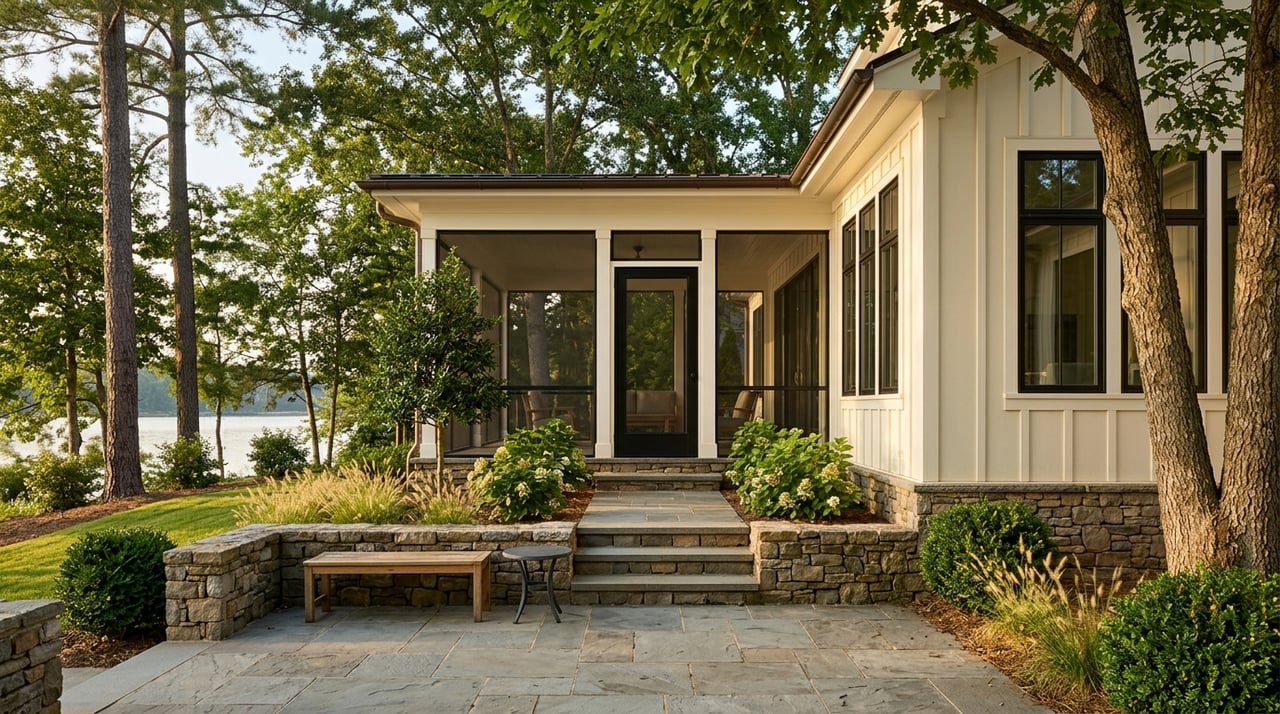
If you want a getaway that feels far from the city without being a major trek, Buckhead, Georgia deserves a closer look. This lakeside community in Morgan County offers quick access to Lake Oconee, a setting that fits weekend escapes, holiday use, and a more flexible second-home lifestyle. If you are thinking about buying a lake retreat here, it helps to understand how the area works, what kinds of properties you may find, and where due diligence matters most. Let’s dive in.
Why Buckhead works for a lake retreat
One of the biggest draws is convenience. According to the official tourism site, Buckhead in Morgan County is the “real Buckhead” and sits in Georgia’s Lake Country, with Lake Oconee located just over an hour east of Atlanta. That makes it realistic for quick weekend trips instead of a once-or-twice-a-year vacation plan.
The area also supports an active lake lifestyle. Lake Oconee spans 19,971 acres and includes 55 miles of shoreline in Morgan County, while Buckhead offers access to marinas and boat ramps with fuel docks, boat storage, bait, and tackle. If you picture early mornings on the water and easy afternoon boating, Buckhead is set up for that kind of ownership.
Is this the same Buckhead as Atlanta?
No. This Buckhead is in Morgan County, not the Buckhead neighborhood in Atlanta. The local tourism page makes that distinction clear, which is helpful if you are searching listings or planning visits in the area.
That difference matters because the lifestyle is very different too. In Morgan County, the focus is on lake access, open land, and a retreat pace that feels tied to weekends, recreation, and seasonal living.
What kinds of retreat properties you may find
Buckhead is not a one-size-fits-all lake market. Morgan County’s zoning ordinance shows a mix of development patterns around Lake Oconee, which can shape both the look of a property and how you use it.
Lakefront single-family homes
Some areas are set aside for lower-density single-family housing. These properties may appeal to buyers who want more privacy, a larger homesite, or a traditional lake-home feel.
Depending on the lot and location, this type of property may also offer more flexibility for outdoor living. Still, any plans for additions, docks, or major site changes should be checked carefully with county rules before you buy.
Townhomes, condos, and higher-density lakeshore options
The zoning also includes higher-density lakeshore residential districts. That means some buyers may find attached or more compact options near the shoreline, rather than only large detached homes.
If your goal is lower maintenance or a simpler lock-and-leave setup, these types of properties may be worth considering. They can fit buyers who want lake access without taking on a large rural property.
Inland estate and rural retreat properties
Not every Buckhead retreat has to sit directly on the water. The county ordinance also identifies areas suited to agriculture, forestry, and estate residential use, which supports a broader retreat market beyond pure lakefront homes.
That can open the door to homes on acreage, quiet countryside settings, or properties that blend rural space with easy access to Lake Oconee. For some buyers, that balance can be just as appealing as direct shoreline frontage.
Second-home friendly zoning areas
One especially relevant detail is the county’s LR3 district. The zoning ordinance states that this district is intended to create opportunities for second-home properties along Lake Oconee’s shoreline.
That does not mean every property will fit every plan, but it does show that second-home and recreational ownership are part of the local framework. If you are shopping with a weekend or seasonal-use mindset, that is an important signal.
How seasonal use shapes ownership
Buckhead works well for more than one season. Summer is the obvious draw, with longer days, warm temperatures, swimming, paddling, and boating highlighted by local tourism resources. But the area is also promoted for fall fishing, breezy evenings, football weekends, and seasonal events, with winter bringing holiday programming and resort-centered activities across the Lake Country area.
That wider seasonal rhythm can make ownership more practical. Instead of buying a property that only shines during one short peak season, you may have a retreat you actually use throughout the year for quick breaks and holidays.
Why due diligence matters more here
A lake or rural property can be exciting, but it often comes with more moving parts than a typical suburban home. In Buckhead, one of the biggest things to understand is that some properties may rely on private septic and well systems rather than public sewer and water.
That means your inspection strategy should go beyond the house itself. You want to understand how the site functions, whether the systems are permitted and located correctly, and whether future plans for expansion could be limited.
Septic review should be a top priority
If you are buying a lake lot, rural home, teardown opportunity, or vacant parcel, septic due diligence is essential. The Northeast Health District environmental health program handles septic tank permits, repair permits, existing system evaluations, site evaluations, and subdivision plan reviews.
For Morgan County, the posted septic permit checklist requires a soil report, plat, completed application, and staked house corners. The county fee schedule also lists a residential septic tank inspection at $350, or $400 for homes with five or more bedrooms.
This matters because a lot can look ideal on the surface and still have septic limitations. Georgia’s on-site sewage guidance notes that absorption fields need suitable soils, protection from runoff and ponding, enough separation from seasonal groundwater or rock, and room for a replacement field.
Questions to ask about septic
- Is there an existing septic permit and system record?
- Has the seller completed an existing system evaluation or recent inspection?
- Is there room on the site for a replacement field if needed?
- If you want to expand the home, will the current system support that plan?
- Has the soil already been evaluated for a vacant lot or build site?
Well water review is just as important
For properties served by a private well, water and setback review should be part of your process. The Georgia Department of Public Health says private wells must be installed by a licensed water well contractor, and it gives clear separation standards between wells and septic components.
The state says wells must be at least 50 feet from a septic tank and 100 feet from a septic absorption field. It also recommends annual bacteria testing and chemical screening every three years.
Questions to ask about a private well
- Are well drill records available?
- Is there recent water testing history?
- Where are the well, septic tank, and drain field located on the property?
- Were the systems installed with proper setbacks?
- Will future improvements affect those locations?
Thinking about building, adding, or changing the site?
Buckhead can also appeal to buyers who want to build from the ground up or improve an existing property. Morgan County’s permit process suggests that this is not only a resale market. Buyers may find opportunities in vacant land, teardown sites, or homes that need meaningful updates.
Before you assume a project is simple, check the rules. Morgan County requires building permits for new construction, additions, pools, docks, manufactured homes, and many other projects, and land disturbance rules apply to activity over one acre or within 200 feet of state waters.
That does not mean improvement plans are off the table. It simply means your timeline, budget, and design goals should reflect the local review process from the start.
A smart buying approach for Buckhead
When you buy a lake retreat in Buckhead, it helps to think about the property in layers. First, consider how you want to use it. Will this be a weekend boating base, a quieter rural escape, or a place you may eventually update or rebuild?
Next, look closely at the site itself. Zoning, shoreline conditions, permit history, septic viability, well records, and access features can all affect long-term value and day-to-day enjoyment.
Finally, match the home to your real lifestyle. A lower-maintenance property may suit frequent short stays, while a larger home or acreage property may make more sense if you want more privacy or room for gatherings.
Final thoughts on buying in Buckhead
Buckhead offers something many second-home buyers want: a true change of pace that still feels accessible. With Lake Oconee nearby, seasonal flexibility, and a zoning framework that includes second-home and recreational patterns, the area can be a compelling choice for a close-in retreat.
The key is buying with clear eyes. When you understand the property type, local permitting, and septic and well requirements, you can make a more confident decision and choose a retreat that fits how you actually want to live. If you are considering a lake or lifestyle purchase and want thoughtful guidance, connect with shannon cartrett for a personalized consultation.
FAQs
Is Buckhead, Georgia the same as Buckhead in Atlanta?
- No. Buckhead in this article is the Morgan County town near Lake Oconee, not the Atlanta neighborhood.
What makes Buckhead, Georgia appealing for a lake retreat?
- Buckhead offers access to Lake Oconee, marina and boat ramp amenities, and a location just over an hour east of Atlanta, which supports easy weekend and holiday use.
What property types can you find near Buckhead, Georgia?
- Depending on the specific area and zoning, you may find lakefront single-family homes, higher-density lakeshore housing such as townhome-style options, and inland estate or rural retreat properties.
Why is septic due diligence important when buying near Lake Oconee?
- Many lake and rural properties may rely on private septic systems, so soil conditions, system records, repair history, and replacement field capacity can all affect whether a property works for your plans.
What should you check about a private well in Buckhead, Georgia?
- You should ask for well drill records, water test history, and a clear layout showing the well, septic tank, and drain field so you can confirm setbacks and understand the property’s utility setup.
Do you need permits to add a dock or make improvements in Morgan County?
- Often, yes. Morgan County requires permits for many projects, including new construction, additions, pools, docks, and other site changes, with added review for some land disturbance near state waters.